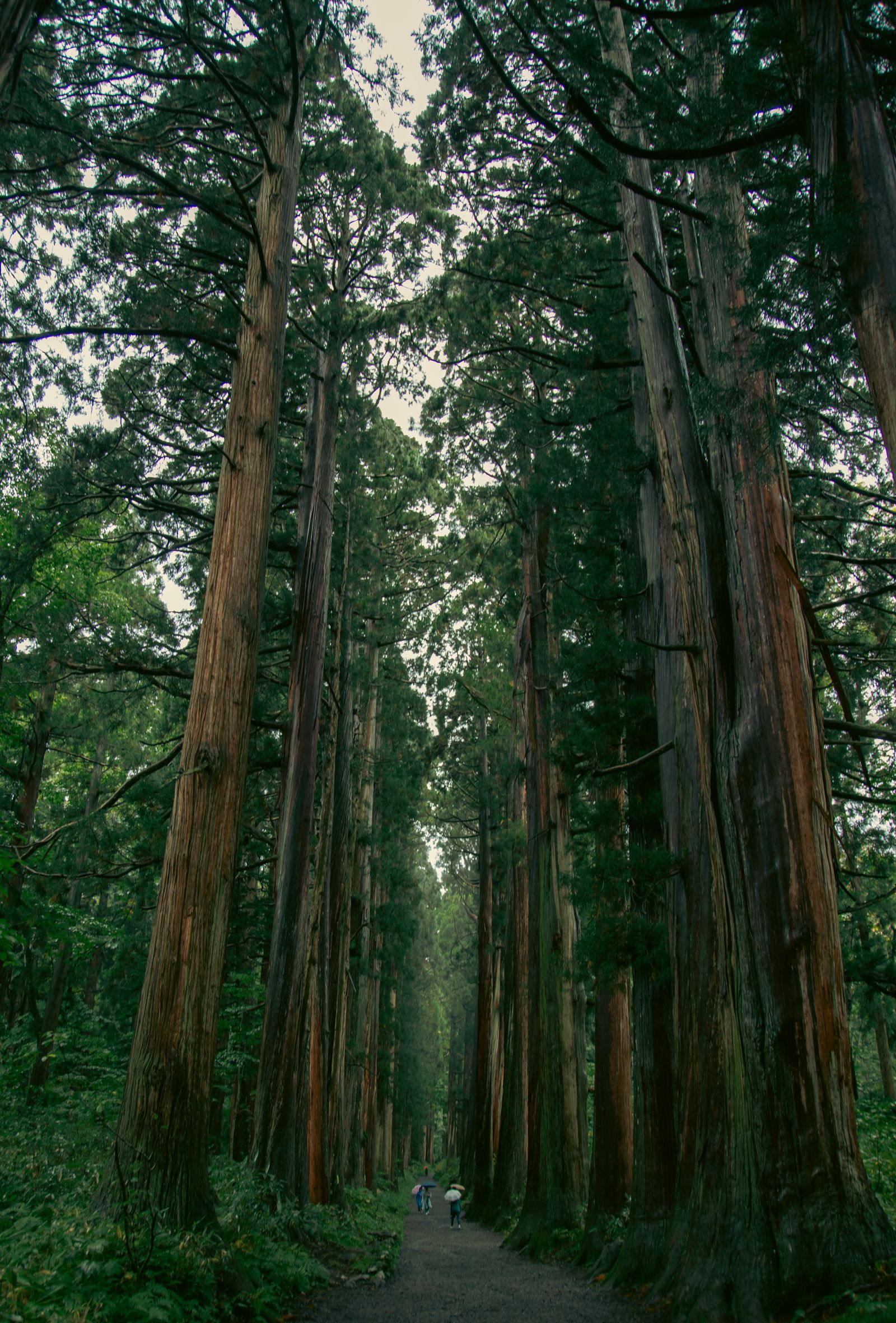
SUGI (Cryptomeria japonica) is commonly known as Japanese cedar. For a Vietnamese factory or interior project, the useful question is not simply whether SUGI is “good wood.” The useful question is whether a specific SUGI specification matches the product, process and commercial requirement.
Where SUGI can be evaluated
- Furniture components and light frames
- Wall and ceiling panels
- Slats, screens and decorative members
- Selected hospitality and Japanese-style interior elements
- Vietnam-side machining, profiling and OEM production
What a buyer should specify
Start with rough input dimensions, maximum moisture content, drying condition, grade or knot tolerance, trial/monthly volume and the current substitute material. Without these fields, two prices that appear comparable may represent different products.
KD, AD or Green?
The answer depends on the factory process. A low source price for green material can lose its advantage after drying cost, shrinkage, yield loss and quality control are included. For furniture and dimension-sensitive applications, buyers should state their actual MC requirement rather than request “dry wood” generically.
How LPID matches supply
LPID converts the buyer requirement into an RFQ-ready brief, checks Japanese supply against the same fields, normalizes commercial terms and only then compares options. This avoids selling a species first and solving the manufacturing problem later.